Podcast production
Building a home podcast studio on a sensible budget
The microphone, interface and room treatment we recommend to guests — and the expensive gear you can safely skip.
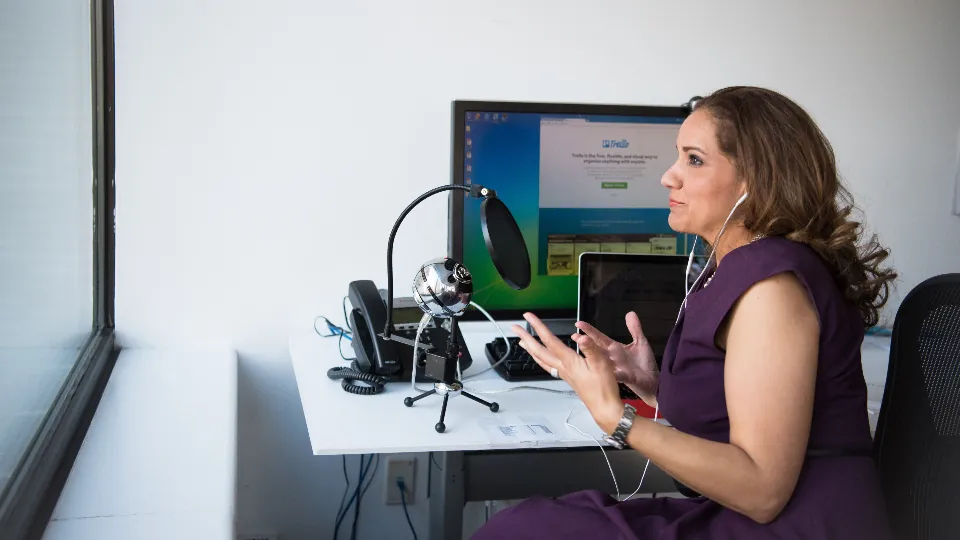
Most guests record from home, and most home recordings can sound excellent with a few inexpensive changes. Here’s what we recommend — in order of impact.
1. Treat the room before you buy anything
The room matters more than the microphone. Hard, empty rooms create echo that no plugin can fully remove. Record in a space with soft furnishings: a bedroom with curtains, a closet full of clothes, or a sofa with cushions around you.
2. Use a dynamic microphone
Dynamic microphones pick up less of the room than condenser microphones. A good USB or XLR dynamic microphone placed a hand’s width from your mouth will sound better in an untreated room than a microphone ten times the price.
3. Wear headphones
Closed-back headphones stop the other person’s voice from leaking back into your microphone, which makes editing far easier.
4. Record locally
Video-call audio is compressed. When possible, we ask both sides to record a local file. Many remote recording platforms do this automatically.
What you can skip
- Expensive preamps and boutique cables
- Acoustic foam glued to every wall
- Plugins that promise to “fix it in post”
Our simple checklist
- Quiet, soft room
- Dynamic microphone, close to your mouth
- Closed-back headphones
- Local recording, 48 kHz / 24-bit
- Phone on silent, notifications off
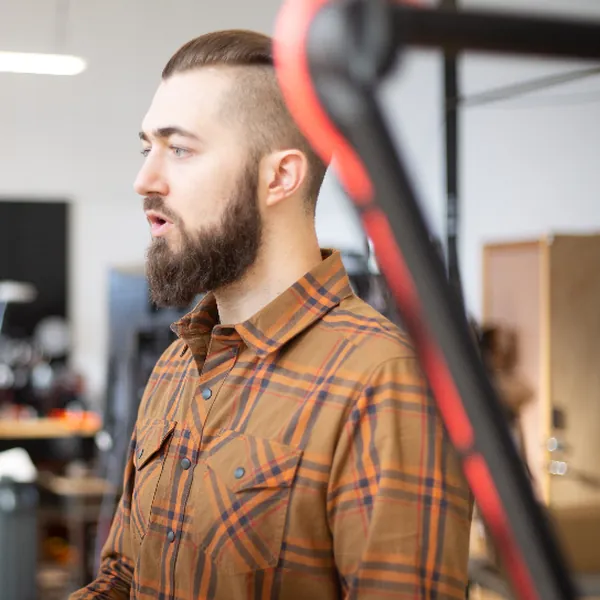
Sam engineers every episode and hosts the monthly Podcast Plus bonus show, where listeners' questions meet the guests' follow-up answers.