Podcast production
From raw tape to finished episode: our editing workflow
How a 90-minute recording becomes a 60-minute episode — rough cuts, the 'keep the um' rule and the final loudness pass.
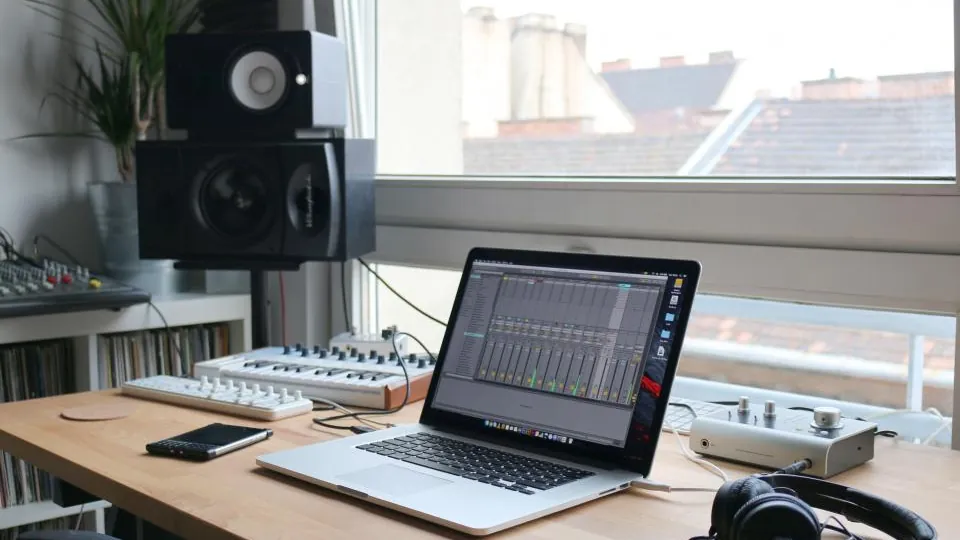
Every episode starts as around 90 minutes of raw audio across two or three tracks. Here’s how it becomes the version you hear.
The rough cut
The first pass is purely editorial. We listen at normal speed and mark sections that repeat, wander or need context. Nothing gets polished yet. The hosts review this cut and flag anything they want back in.
The “keep the um” rule
We remove filler words only when they get in the way of understanding. A thoughtful pause tells you someone is thinking; removing every hesitation makes people sound like they’re reading a script.
The mix
Each track gets gentle noise reduction, equalisation and compression. We aim for voices that sound natural and close, rather than “radio”.
Loudness and mastering
The final mix is normalised to a consistent loudness target so that episodes sound similar on every app. We export a high-quality MP3 and double-check the result on phone speakers, earbuds and a car stereo.
Show notes
While the audio is mastered, the show notes come together: timestamps from the edit decision list, key takeaways, and links to everything mentioned.

Sam engineers every episode and hosts the monthly Podcast Plus bonus show, where listeners' questions meet the guests' follow-up answers.