How Telemedicine Is Changing Everyday Healthcare
Video visits have moved from a novelty to a normal part of care. Here is what that shift looks like for patients day to day.
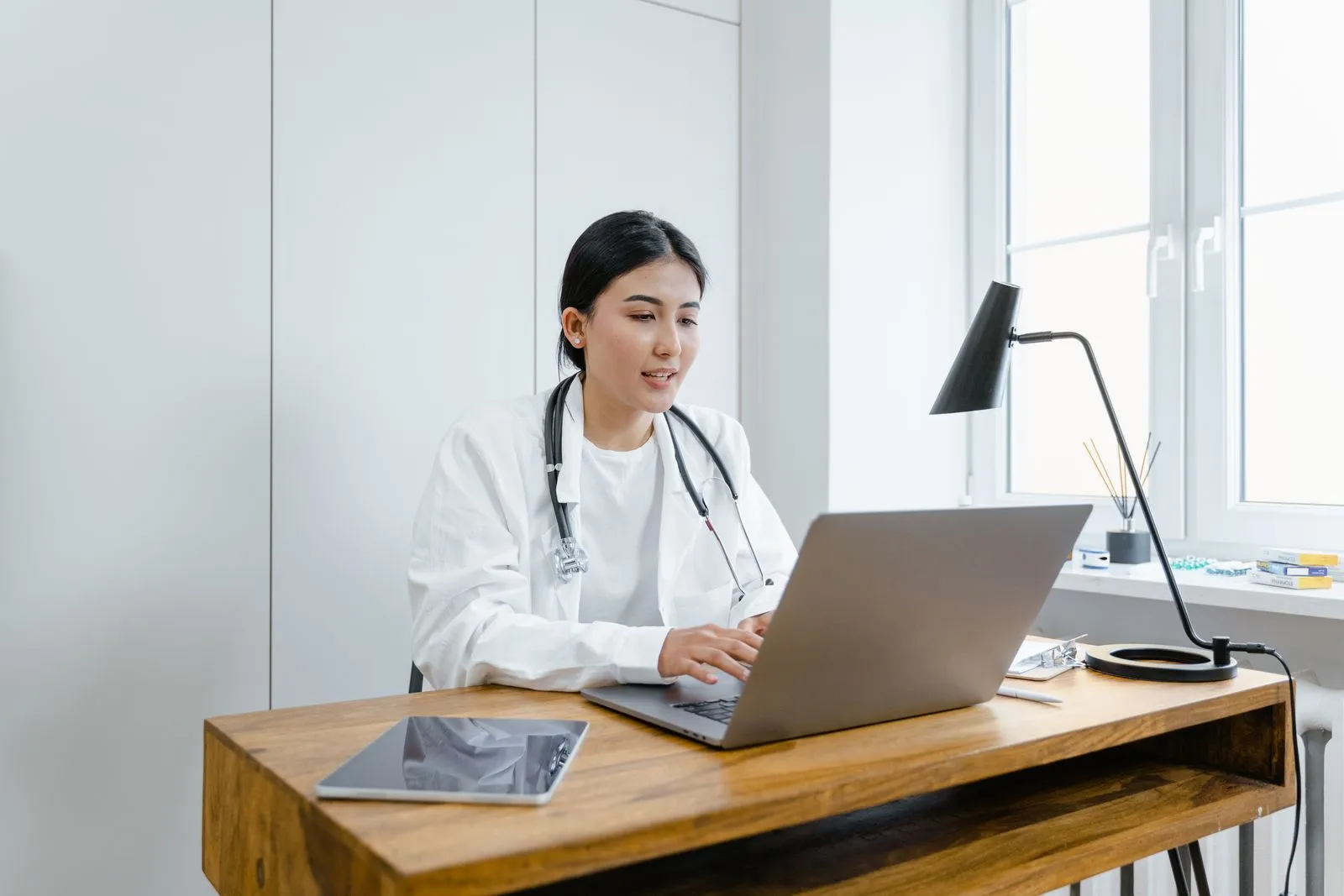
Not long ago, seeing a doctor meant taking time off work, driving across town and sitting in a waiting room. For many everyday concerns, that is no longer the only option.
A shift in where care happens
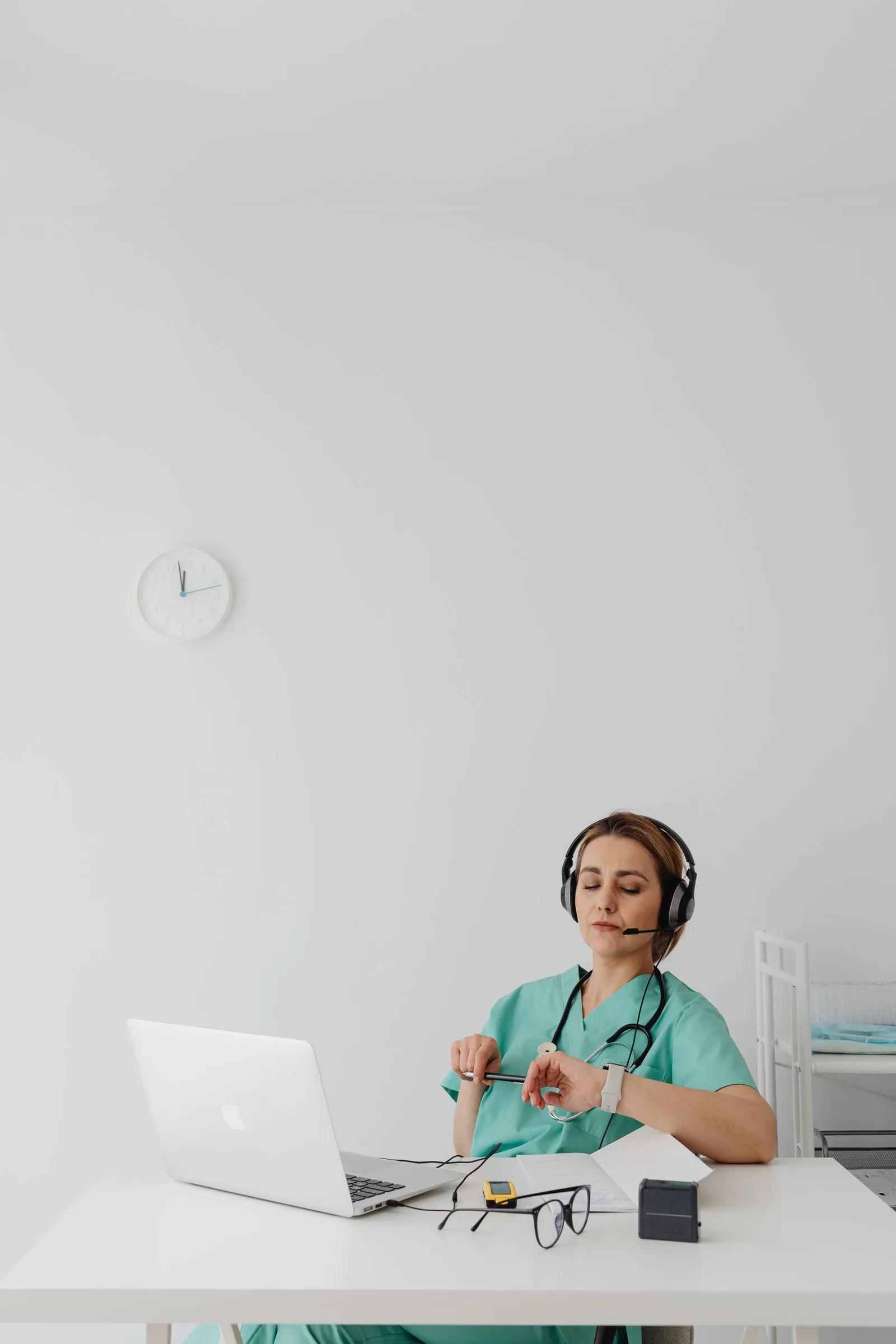
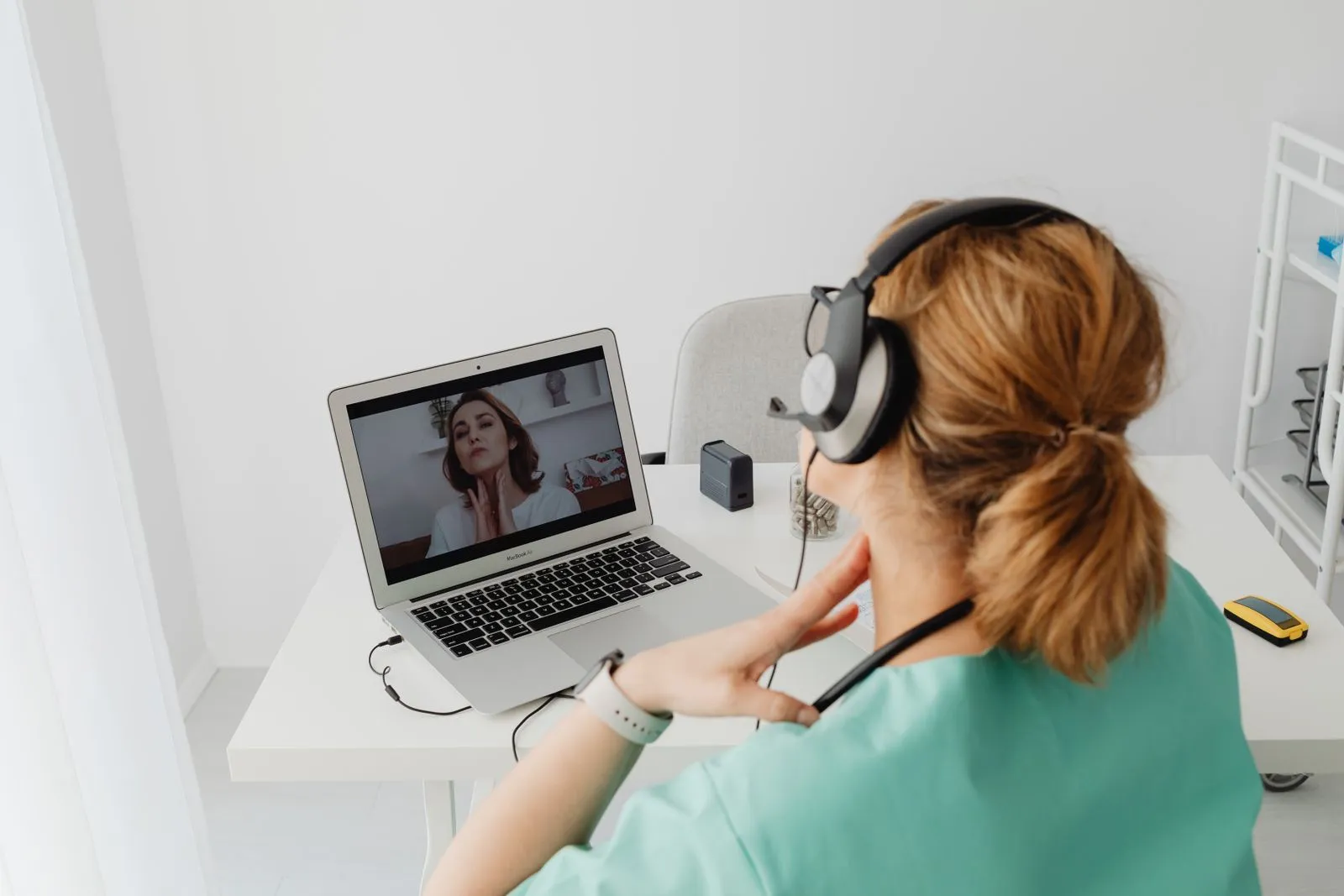
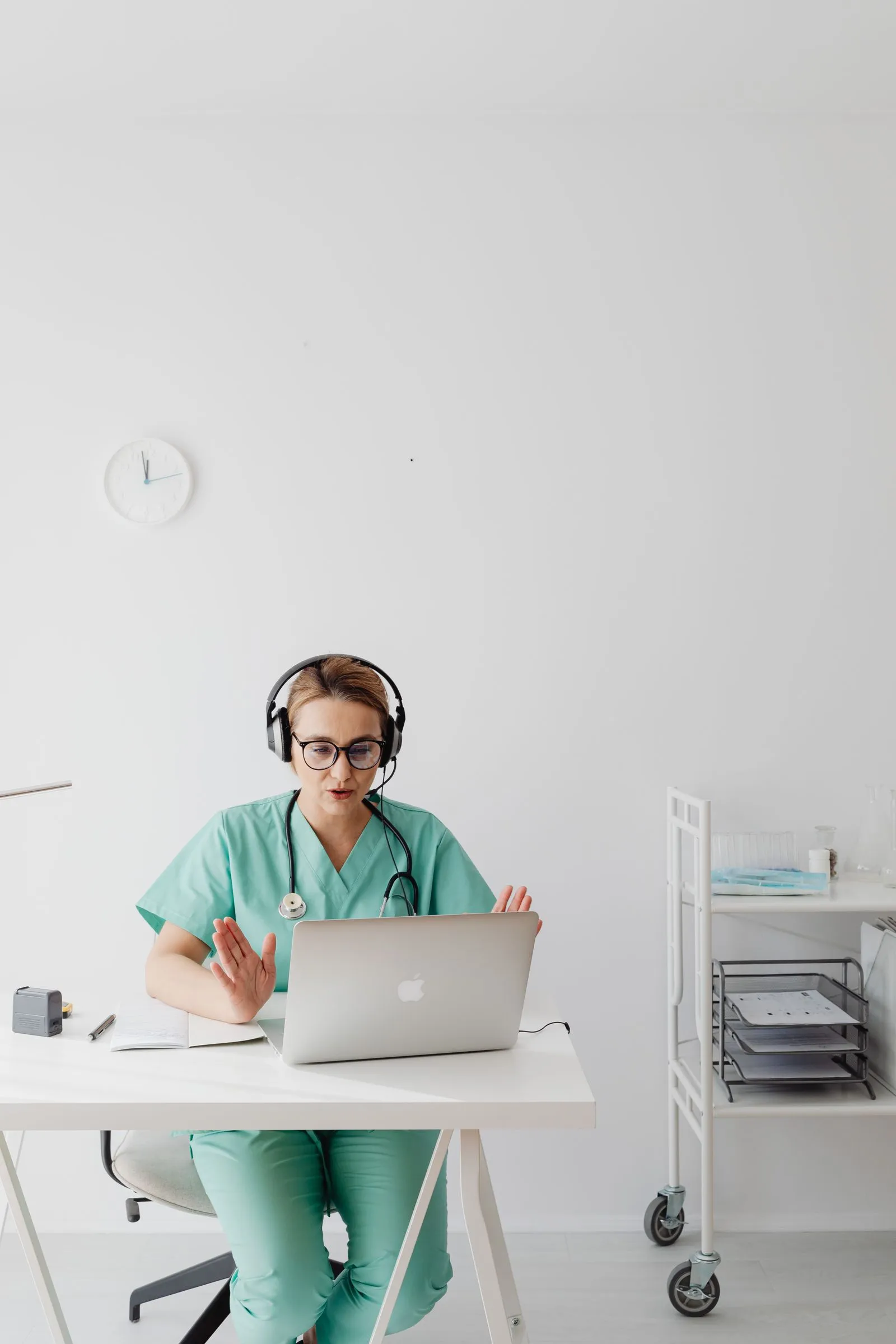
Virtual visits let patients talk with a licensed clinician from home, from the office or from wherever they happen to be. For routine questions, follow-ups and many common illnesses, a video call can be a practical first step.
That does not replace in-person care. Physical exams, tests and emergencies still need a clinic or hospital. But it does give people more choice about how and when they start a conversation about their health.
What patients tend to value
- Time. No travel and shorter waits make care easier to fit around work and family.
- Continuity. Booking the same clinician again is simple, so relationships can build over time.
- Comfort. Some people find it easier to talk about sensitive topics from their own space.
Where it fits best
Telemedicine works well alongside a wider care network. A good virtual service will tell you clearly when something needs to be seen in person and help you get there.
This article is general demo content for a website theme. It is not medical advice.
General information only. This article is demo content for a website theme and is not medical advice. Always consult a qualified clinician.